Universal Design at the Heart of Christchurch’s Grand Designs Strawbale House
Universal Design at the Heart of Christchurch’s Grand Designs Strawbale House
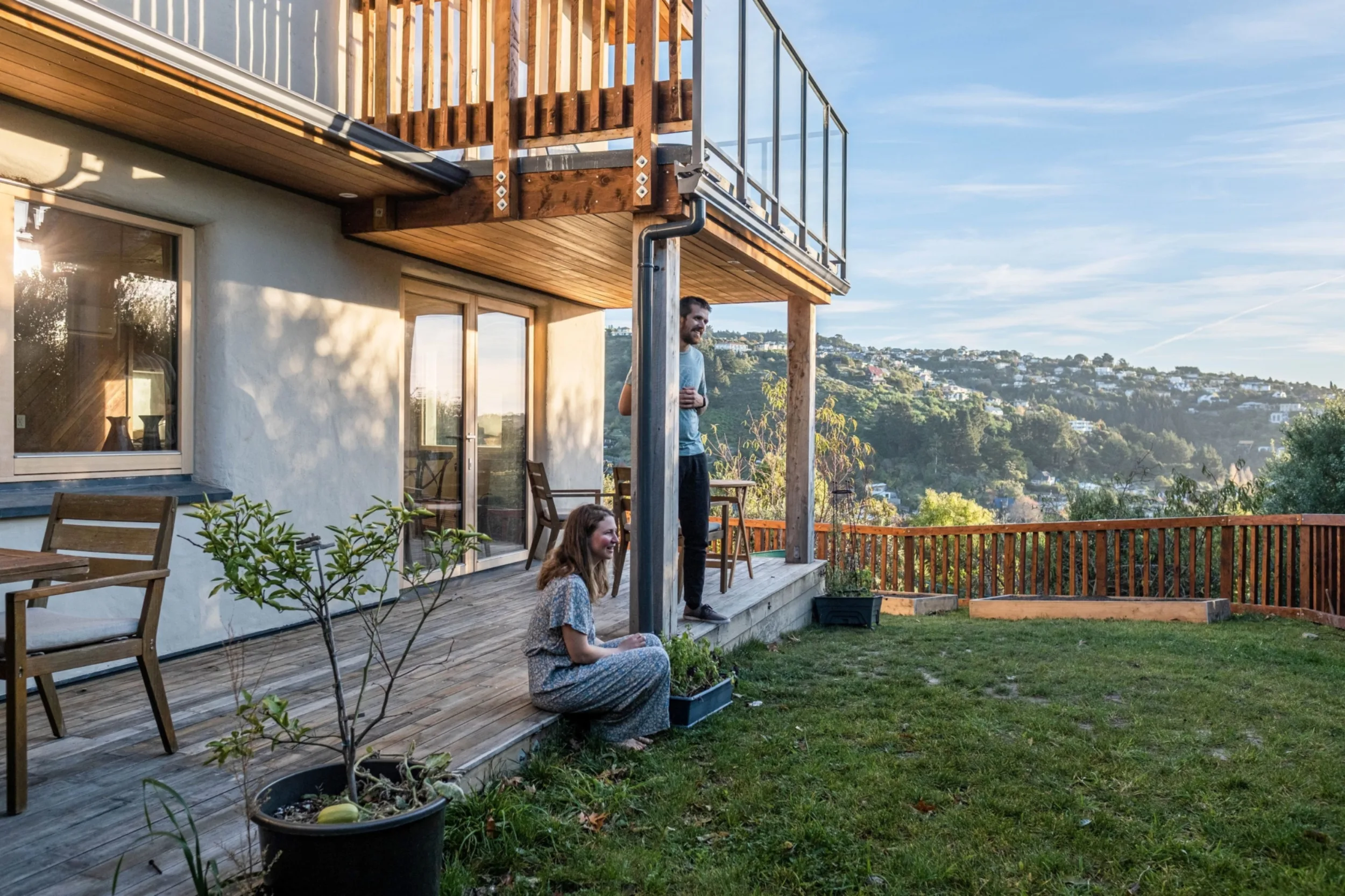
When Christchurch Architectural Designer Elizabeth Guthrey began planning her family’s home, she set out to create a place that reflected her values around comfort, sustainability, and thoughtful design.
Elizabeth works with Design & Make Architects, where she specialises in high‑performance building design, and she approached the project with the same rigour she brings to her professional vocation. Her husband, Everett Norris, an experienced builder, took on the construction, bringing the design to life with careful craftsmanship and attention to detail.
The home’s construction method has also drawn interest, especially after its appearance on Grand Designs New Zealand. The house uses strawbale construction – a technique valued for its excellent insulation, low embodied carbon, and warm, natural aesthetic. Strawbale walls are made from tightly packed bales that create thick, breathable, high‑performance envelopes, a centuries‑old method now enjoying renewed attention among those seeking sustainable, low‑impact building solutions.
“I wanted a home that would not only be a wonderful place to live throughout my life, but also a home that could be an example for others to learn from,” Elizabeth says. “That meant looking at the materials and functionality with more vigour than a usual house design.”
Her expertise as a Homestar Assessor and Passive House designer shaped many of the performance‑driven decisions. But it was the couple’s desire to create a home where everyone feels welcome, family, friends, and visitors of all ages and abilities, that led them to Lifemark© and the principles of Universal Design.
“Making it a house where all are welcome in the future was also important to me,” Elizabeth explains, “which is why we decided to look into Lifemark© and incorporate Universal Design.”
Future Proofing with Lifemark© Certification
The home is now Lifemark© certified, reflecting a thoughtful integration of Universal Design features that make everyday living easier and support the family’s long‑term needs.
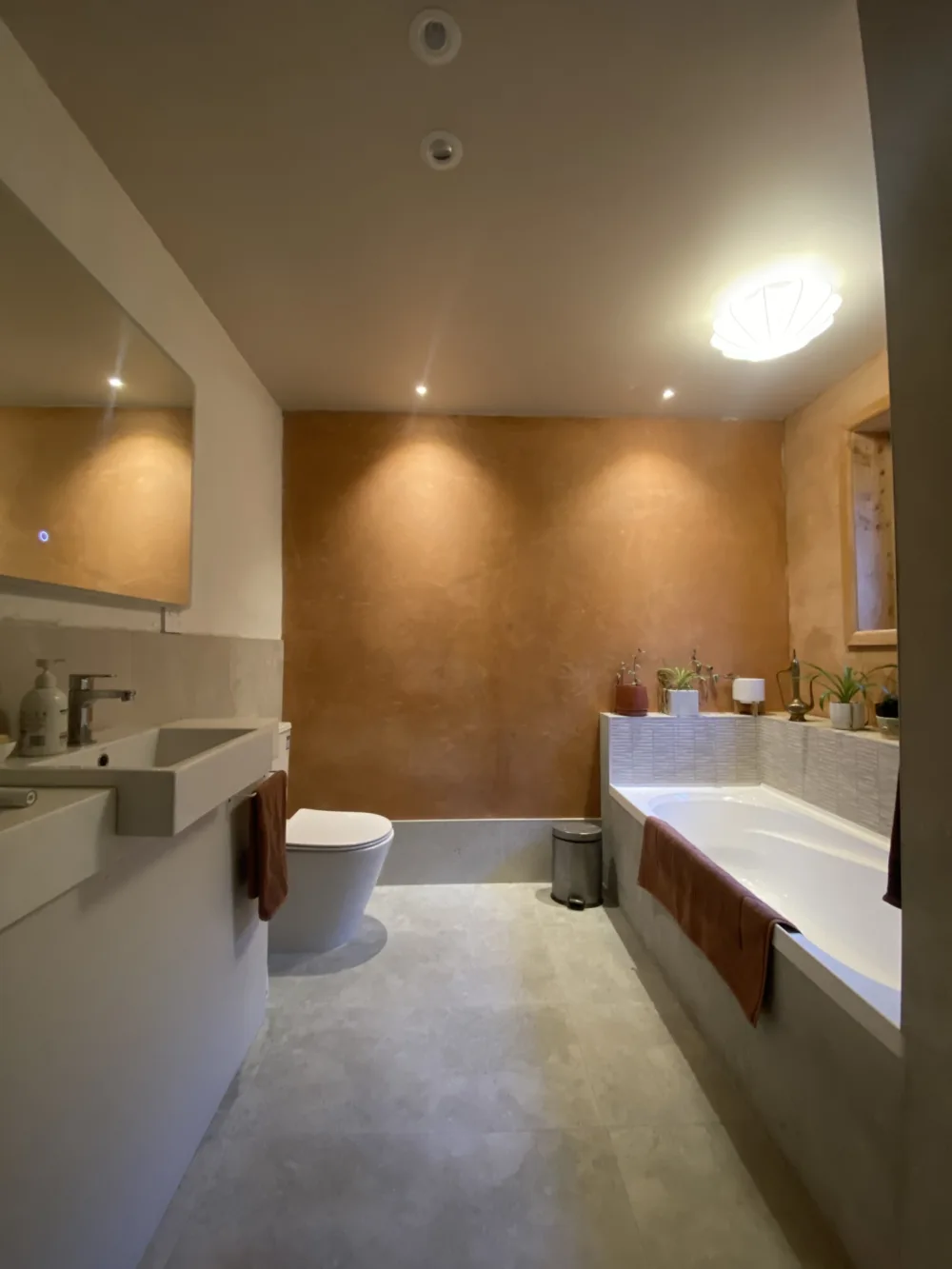
“We decided the house needed to be future-proofed for very young people and older age people,” Elizabeth says. “Right now, we are super healthy and fit, so some of the features are hidden in the walls, ready to fix handrails in the bathroom when the time requires it.”
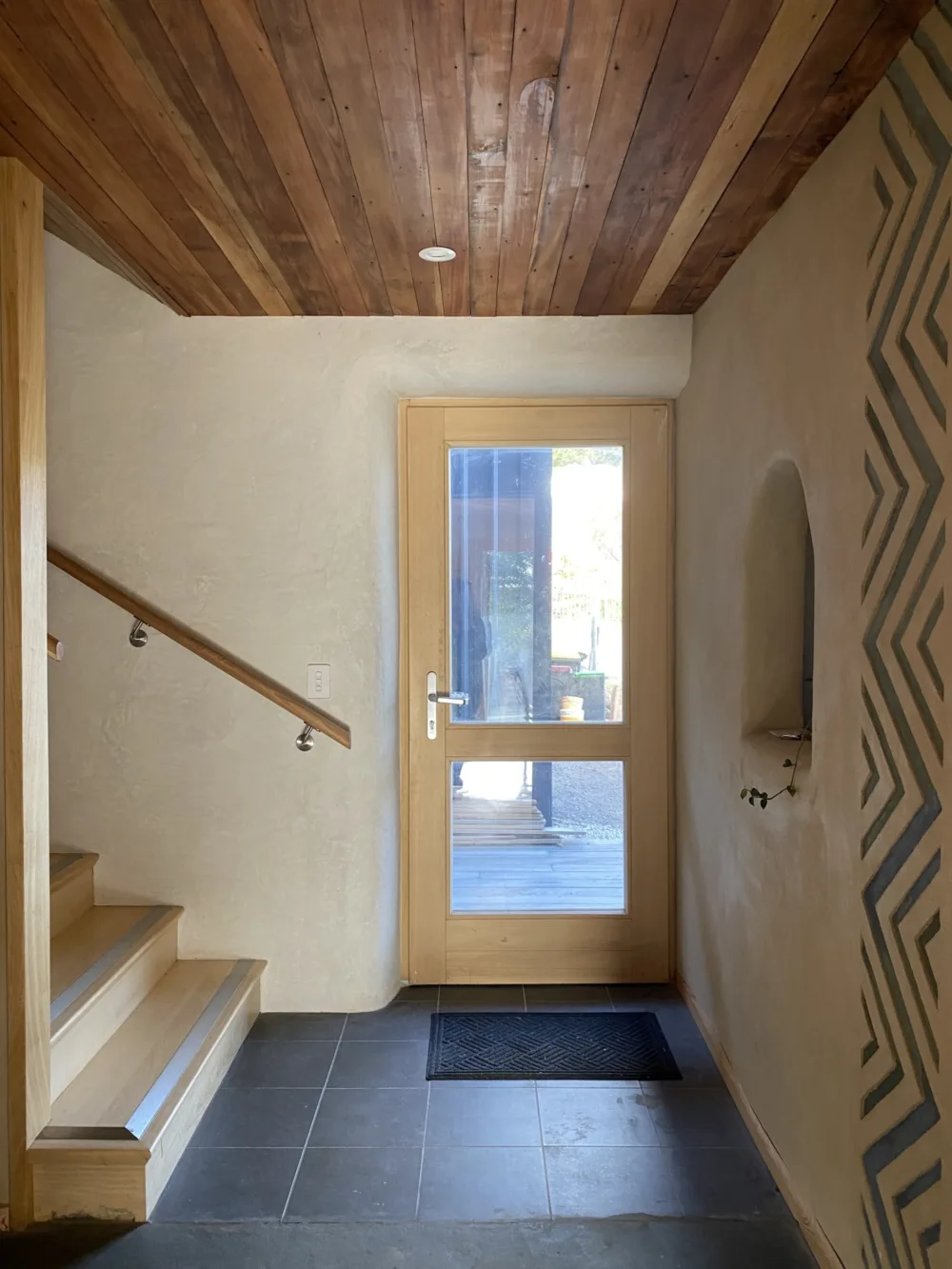
The benefits of these Universal Design features are felt immediately in day‑to‑day living. “People who visit our house will feel at ease moving about, right from when they get out of their vehicle,” she says, noting level entry thresholds, intuitive switch placement, and comfortable lever handles.
These features make the home easier to navigate today, and ready for whatever tomorrow brings.
Making it a house where all are welcome in the future was also important to me, which is why we decided to look into Lifemark© and incorporate Universal Design.
Everyday Ease Through Universal Design
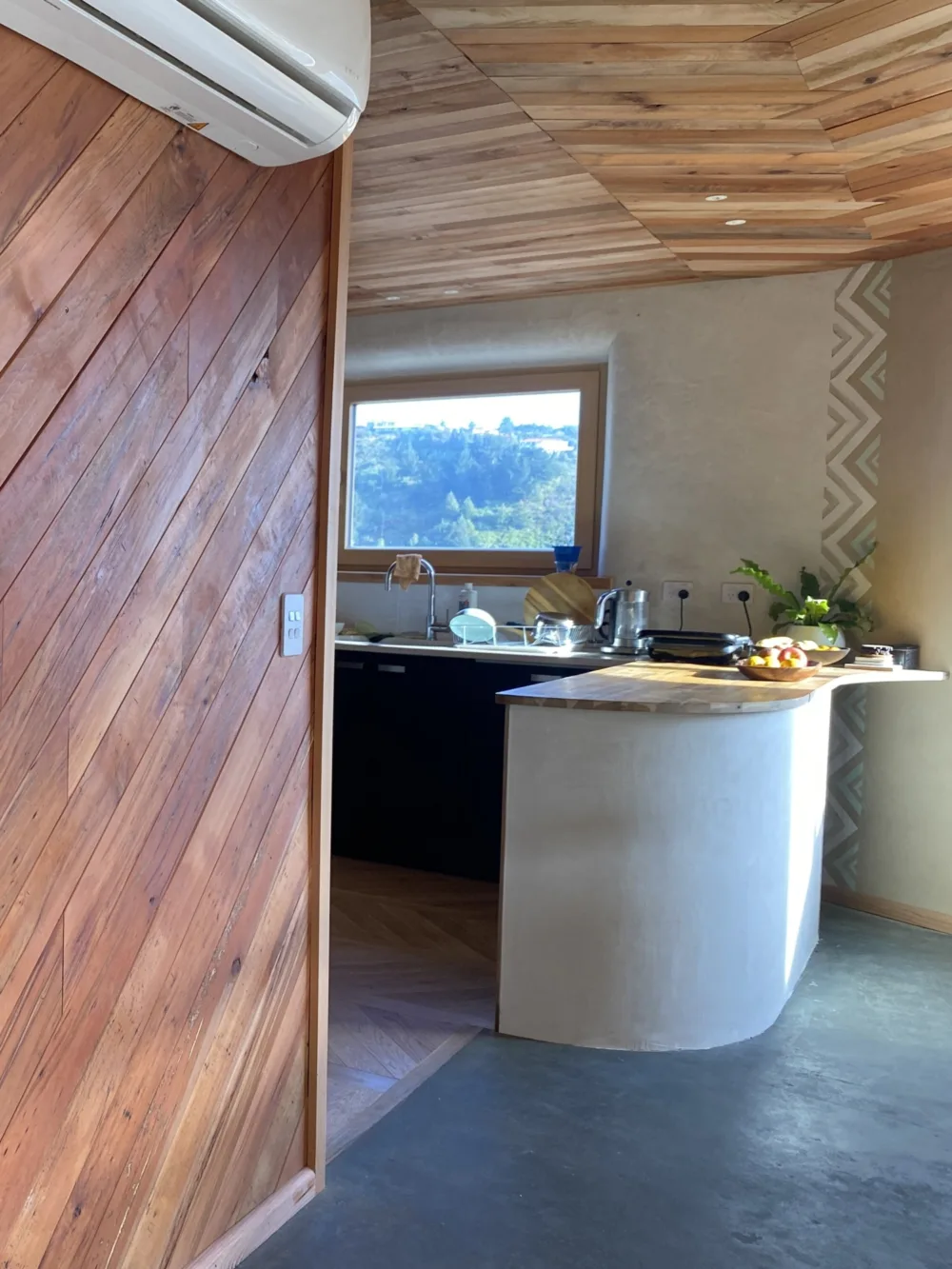
Many of the Universal Design elements enhance daily life in subtle but meaningful ways. Elizabeth says she particularly values the sensor and security lighting when arriving home after dark, and the intuitive placement of switches throughout the house. Lever handles on all doors, she notes, “are also so much more comfortable than some other door handle designs.”
One of the biggest surprises came from the bathroom flooring. “Something that really surprised me that I will incorporate into future architecture designs was the slip-resistant tiled floor,” she says. “Slip-resistant tiled floors are not that different in temperature from a vinyl floor, so they are much more pleasant in terms of thermal comfort.”
Another detail that reflects the couple’s commitment to thoughtful, user‑friendly design is the way Everett handled the flooring transitions. He was meticulous about ensuring that the different floor finishes, from tiles to the earthen clay floor to timber, all meet at the same level. This careful attention means there are no unexpected lips or steps between spaces, making movement through the home feel smooth and intuitive.
Even the transition between the detached garage and the house (often a point of difficulty in accessibility) was carefully resolved. Because the engineer required the two buildings to be structurally separate for seismic reasons, Everett created a subtle slope on the deck to ensure a smooth, level connection. Elizabeth says she “really noticed the ease of movement between the spaces,” especially given how frequently she accesses the garage for tools, hobbies, and her bicycle.
During the Open Christchurch festival, the value of these decisions became even more visible. An older visitor with a hip or leg condition expressed gratitude for the handrails on both sides of the staircase. This detail makes it significantly safer and more comfortable for many people.
Shaping Future Architectural Work
Designing her own home with Universal Design in mind has influenced Elizabeth’s professional practice. The safety and comfort of the slip-resistant tiles, for example, is something she now plans to incorporate into future projects.
Her experience with the Lifemark© team also left a strong impression. “The Lifemark© team was extremely supportive of finding ways to improve the house with Universal Design,” she says. “They were always friendly to communicate with and provided clear suggestions.”
She believes certification offers more than resale value; it provides motivation and accountability. “We always aim further when there is a team supporting us to do better, whether it be Lifemark©, Homestar or Passive House. It’s easier to give up on a challenge without the right support network around.”
Built for Life
This home is more than a Grand Designs feature. It highlights how thoughtful Universal Design elements can complement a high‑performance, sustainable home without compromising its character or functionality.
From level thresholds to intuitive lighting, from reinforced bathroom walls to comfortable lever handles, every detail works quietly in the background to make the home safer, more comfortable, and more welcoming.
It is, in every sense, a home built for life, and with care for everyone who enters it.